


Hey, Alberto here! 👋 I publish long-form AI analysis covering culture, philosophy, and business. Paid subscribers get Monday how-to guides and Friday news commentary (back soon). If you’d like to become a paid sub, here’s a button for that:
“You know my method. It is founded upon the observation of trifles.”
— Sherlock Holmes
Related: The Actual Reason Why Google “Fell Out” of the AI Race Changes Everything

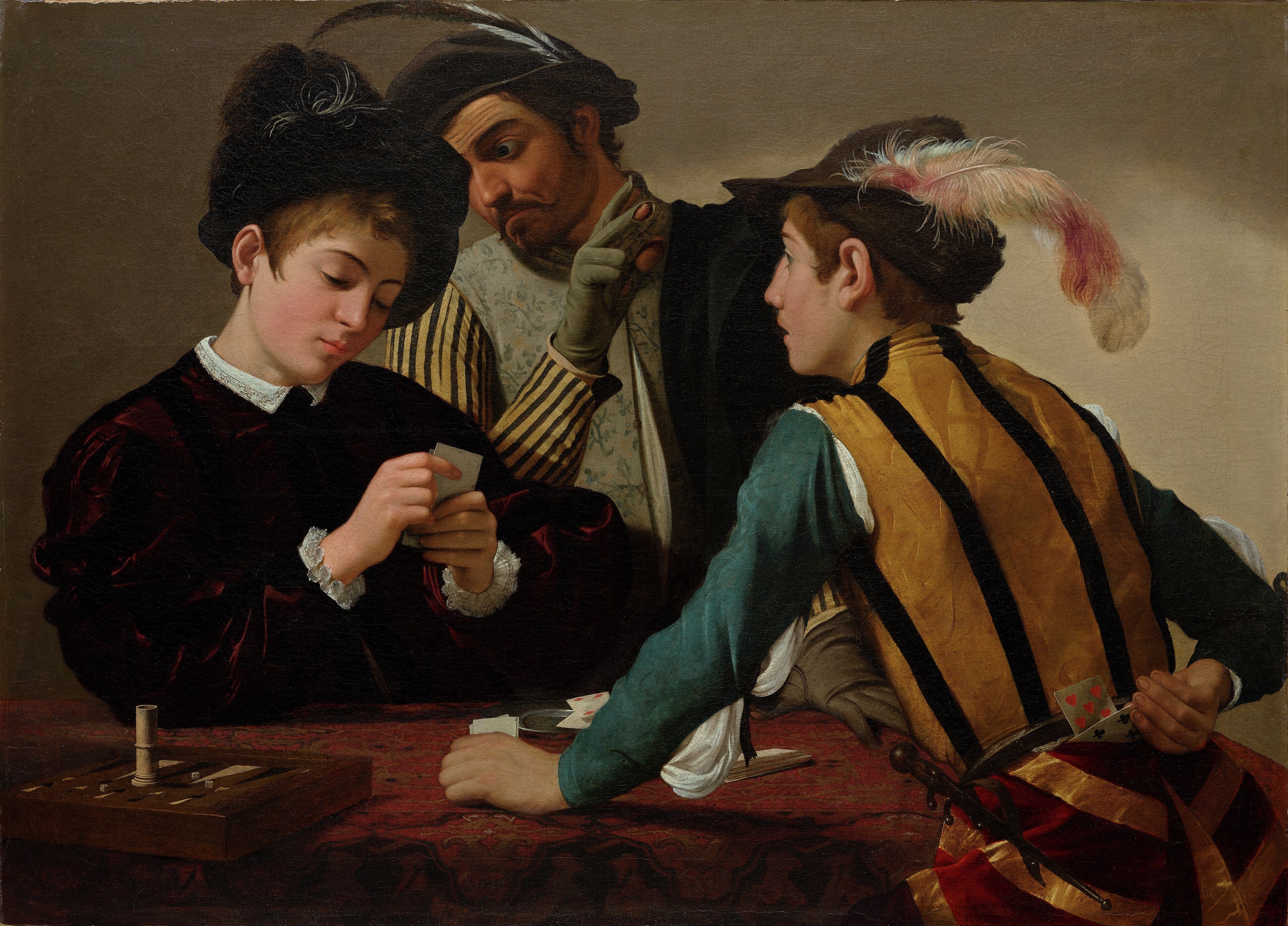
In early 2026, Meta and Anthropic became, briefly and improbably, very good friends.
Mark Zuckerberg has been, for the past two decades, Silicon Valley’s wunderkind. When it comes to AI, however, he’s made mistake after mistake, midwit-style. In 2014, he lost DeepMind because Demis Hassabis caught him bundling AI with peasant technologies (virtual reality), an unforgivable sin for a true believer. By 2015, when OpenAI was being born, he already had one of the best research teams in the world together with Google and a few top universities, and yet he missed out on LLMs. Meta quickly fell behind. But Zuck himself only falls forward, finding side doors in empty walls. He will do whatever it takes to win. He’s the human incarnation of undirected agency: wherever the wind blows, he’ll get there fastest. Now, after rearranging the guts of his company, he’s back at the top.
Dario Amodei, Anthropic CEO, is, in more regards than I can count, the extreme opposite of Zuck. A diehard idealist who thinks AI is conscious (even if he will proclaim doubt the moment you tell him that implies he’s a slaver). He’s the diehard-est believer in the power of AI, willing to make a fool of himself by fighting the Department of War to defend his principles; adamant Amodei as sharp contrast to fickle Zuck. To him, open-source models like Meta’s Llama family are a betrayal to America. To him, a personal superintelligence is an oxymoron, something only a fearful atheist will say. To him, Meta as a serious contender to the AI throne is, perhaps with the exception of China, the most likely existential risk to humanity.
And yet, the circumstances of the moment brought them together in April 2026. Like two same-side magnets, they were put and kept together by the inexorable grip of ambition.
At the time, Meta was barely alive in a race that saw OpenAI and Anthropic push forward even beyond Google. The humiliation was palpable: up to 60,000 Meta employees had access to Claude Code; engineers were using it all the time (they had to). The company was spending on the order of 60 trillion tokens a month (70+ trillion at the peak) between Claude and other models, and top users were gleefully tracked in an internal token-maxxing dashboard that were thoroughly mocked by the commentariat (they called this Claudeonomics), which prompted the company to shut it down. Why was Meta incentivizing its employees to give as much money as possible to Anthropic? No need for conspiracies on that one: Claude was just too good. OpenAI was busy pivoting to enterprise and had fell behind in agentic offering.
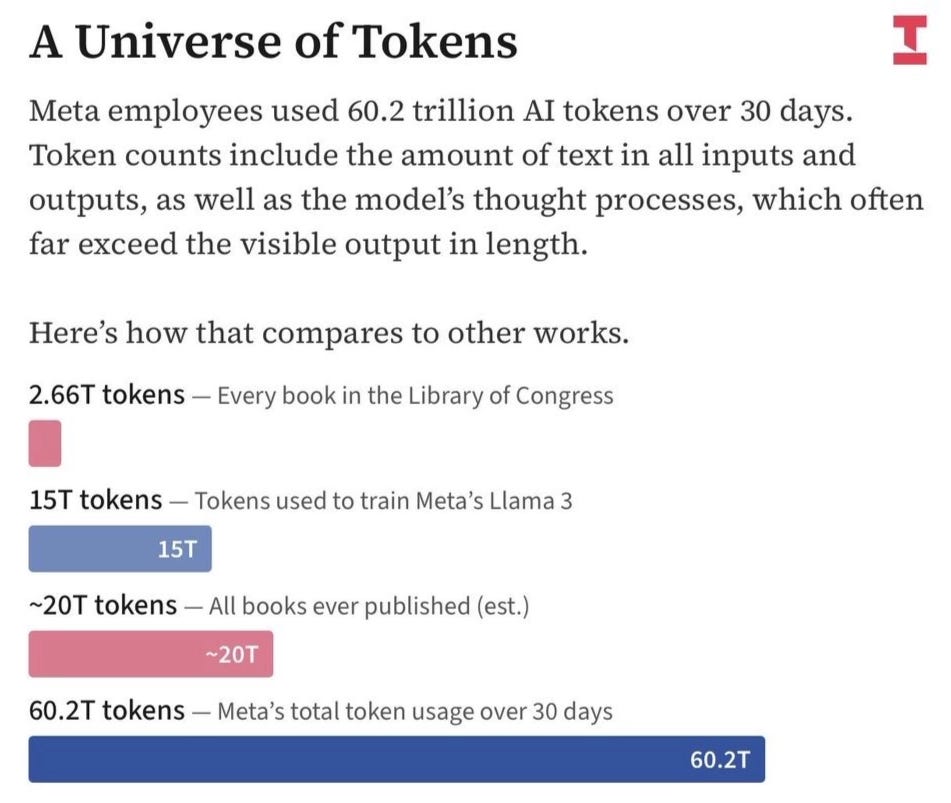
At one point, Meta projected that its Anthropic spending could reach $10 billion a year. It’s interesting, to be sure, that around that time Anthropic’s annual run rate revenue grew from $19B in March to ~$30B in April. In an article I was writing, I hinted at the possibility that Meta was singlehandedly propelling Anthropic into exponential growth. There was no reliable information then to back up this take. People implied I was crazy: Anthropic was okay.
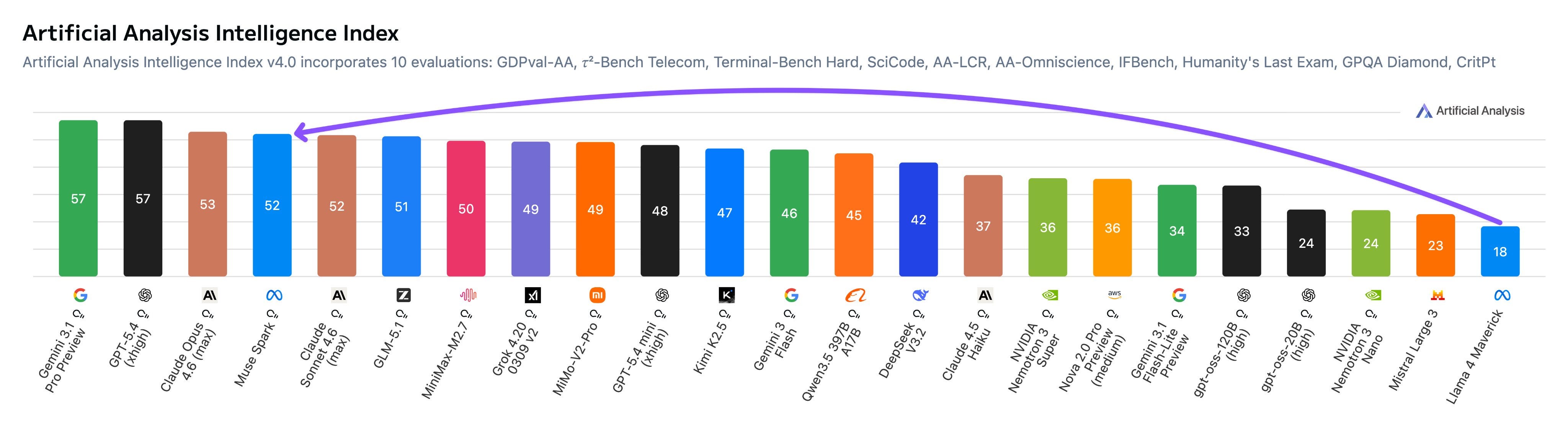
Incidentally, as I was finishing the article, Meta launched Muse Spark, the first genuinely good model the company had released in years. Llama 4 had flopped; Avocado had been delayed. But in ~9 months, Meta put together a brand new team, fixed every mistake that had spoiled all previous releases, and successfully shipped a nearly state-of-the-art model: it scored 52 on the Artificial Analysis intelligence benchmark, toe to toe with Claude Opus 4.6.
I don’t believe in coincidences. And I bet neither Zuck nor Amodei do, either.
So, what actually happened there?